As I look back on my life, it feels like there have been several discrete segments to it. There was school, of course, and work, but there were also parts that included friends and dating. Then there were new vocations, deeper searching, and committed relationships. There have been surprises, and gains, and losses. I’ve reinvented myself a few times. It has been the same person who has gone through all of this, but I began to wonder how it was all connected. Did I bring something unique to all my interactions? Or did everything just happen randomly?

Carl Jung talks about the “red thread” that weaves its way through a person’s life. This is the common element that links the different parts of the journey. It might show up as a clear theme that is easy to see or as an unconscious movement that expresses itself in values, choices, character, or preferences. When someone identifies this kind of connection, a fuzzy picture can become clearer; a seemingly disconnected group of events begin to take on new meaning.
This can be an important part of a therapeutic process. The right questions can lead to a self-discovery that feels both surprising and familiar at the same time.

The red thread can be hard to find. Writer and storyteller Mark Yaconelli writes, “None of us are as we appear. Almost every story we tell of ourselves is too small. No matter how epic, most stories seek to reduce, explain, control. They leave something out in the telling. The long periods of time stuck, confused, bored. The contradictory actions and feelings that make us appear fuzzy and untrustworthy. We tend to live in the in-between, the space between the story we tell and the story we are actually living. The work is to integrate the two.”
When we look hard at the boring parts of our lives, at the mundane habits and unclear choices, the thread can sometimes make an appearance. I had a client who saw me after a long and decorated military career. After he retired, he tried to make sense of some of his choices. He had many more lucrative opportunities, but he chose to work at a party store where they sold decorations and games. His wife and friends thought it was beneath him. Late at night, he liked to watch cartoons. His favorite lunch was a peanut butter and banana sandwich. One day he was describing a particularly tense battle that he had been involved with when he said, “Blam! Blam! We got em!” It sounded out of character, so I asked about it. It turned out that he used to have play battles with his friends in his backyard, and they would yell like that at each other. Around that same time his parents died in a car accident. He had missed out on much of his childhood, and had to grow up much too fast. His red thread — the common theme that ran through his life — was that he was trying to do things that he missed as a little boy. This realization came as a shock. “I think I’ve been playing at being an army man my whole life,” he said.
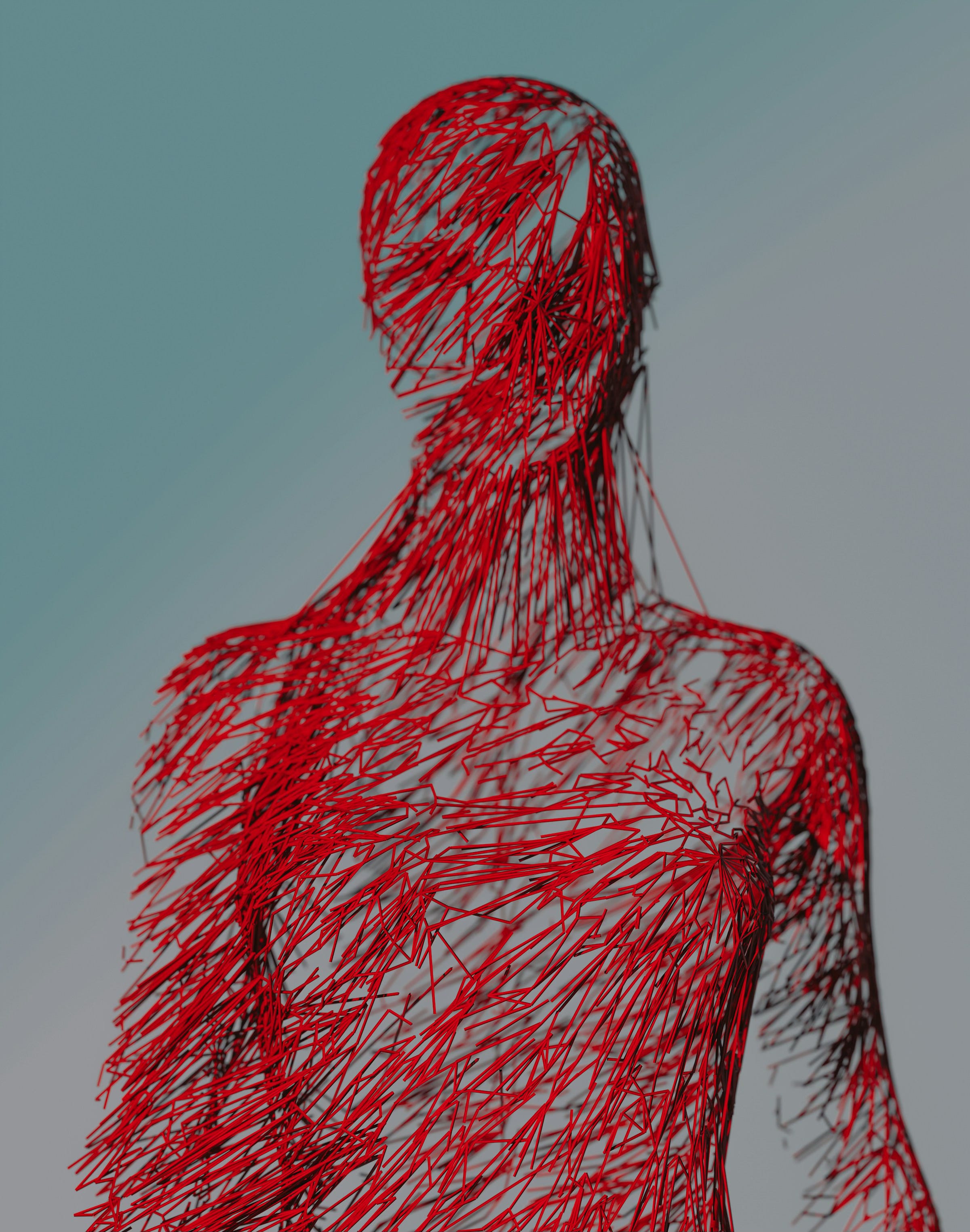
Some threads are more subtle. Avoiding conflict can influence choices of all kinds. Some people look back and wonder why they didn’t push for a promotion, but that could have led to a confrontation. They may begin to question other times when they gave up on something that they desired.
A good therapist may be of help in uncovering themes or patterns, but this is also an undertaking that you can begin by yourself. Here are some ways to help find your red thread:
Look for repetition. Are there situations that keep showing up?
What has been important? Can you identify those events in your life that have been particularly important? What led to this event?
Ask others. How do those who know you well describe you?
Identify consistency. Do you frequently have the same emotional response to different situations?
Finding your red thread can assist you to avoid unconscious habits and live a more authentic life. The difference can be like turning on a light in a dark room.