

We don’t really know what is coming next. That’s the first thing to understand. As humans with overactive brains, we make stuff up. We anticipate outcomes, we hope, and we dream. But we don’t really know. That can be difficult at times, because it can create anxiety if we’re not practiced at staying calm in the gray areas, those places in life where we are waiting for something to happen.

The gray zones show up all the time. If you have applied for a job, and are waiting to hear, there are all kinds of scenarios that we imagine: I shouldn’t have said that thing about liking the art. What if they think I’m not a serious person? And what did her raised eyebrow mean? If I get the job, then I could afford that new car. If I don’t, then I have to rethink this whole thing. Maybe this isn’t the career for me. I wonder when I will hear back.
When you are sick, you are forced to wait. And wait. Wait at the doctor’s office, wait for the test results, wait to see if your body responds to treatment. Wait on the automated voice attendant to connect you with a human. If you are suffering with a cold, that’s one thing. It may linger, but you are pretty sure it will go away in time. But what about a serious illness? Is the waiting hopeless? Will you ever be able to see the ocean again, or visit the grandchildren? Our minds create suffering for us before it ever happens. What if I develop some terrible pain? What if I am disfigured? What if I can’t take care of myself?
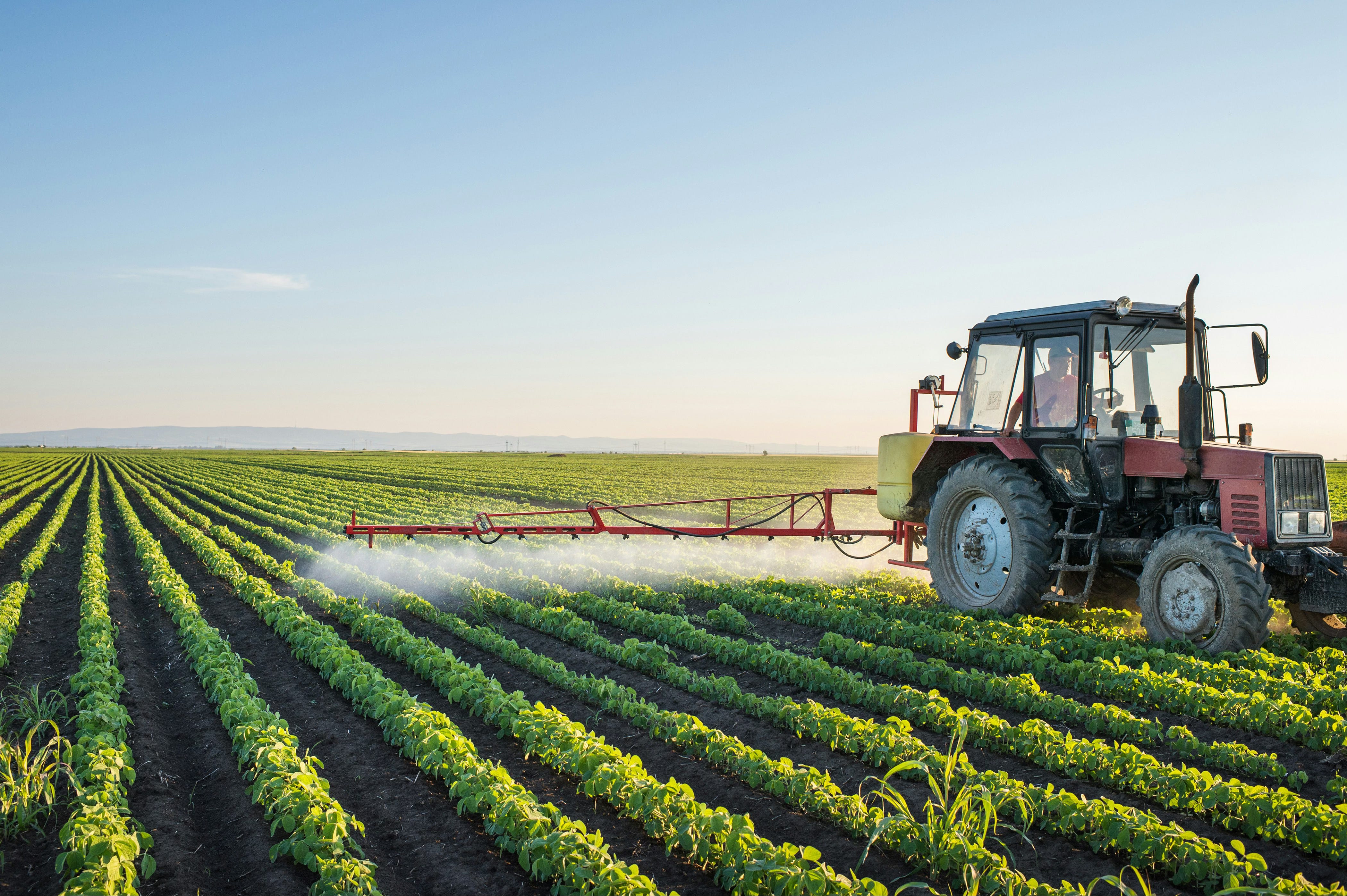
Farmers spend their lives waiting. Till the soil, plant the seeds, and wait. Watch the weather and see what happens. Do the things you can — spread the fertilizer, spray the insecticide, and wait. Watch the commodities market as prices rise and fall. See how the crops are doing, and watch the weather some more.
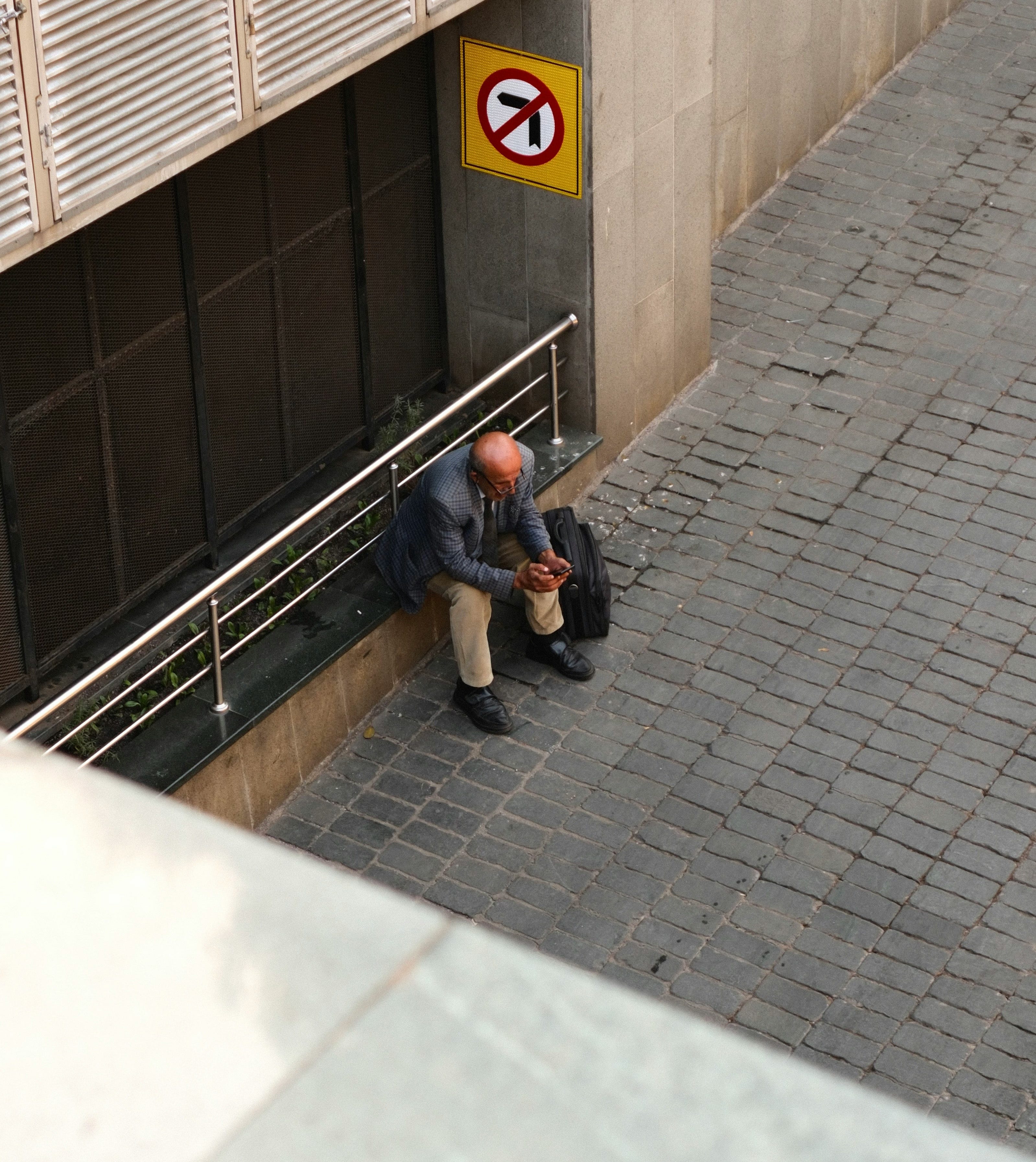
No one likes to wait, because it involves two things that we hate: lack of control and uncertainty. When we wait, someone or something else is in charge. If that weren’t true, we would just do something, and the waiting would be over. But it’s the uncertainty that really gets us. We just don’t know how this particular thing is going to turn out. Will it be positive, negative, or a surprise? And then how will we handle it? We think we know the answer to this, and we try to prepare ourselves, but we’re often thrown for a loop.
Our nation is in a gray area right now. What is going to happen next? I always thought that I had certain rights, but now I’m not sure. I thought if you were born here, you were a citizen. Maybe not. Is protesting protected, or is it dangerous to even attend? Will I be put on some nefarious list? Can I say what I think, or will ICE come and get me in the middle of the night? Some of us are waiting for things to change, but it feels like in the meantime we are surrounded by mean girls who control the most powerful army on earth. We are waiting.
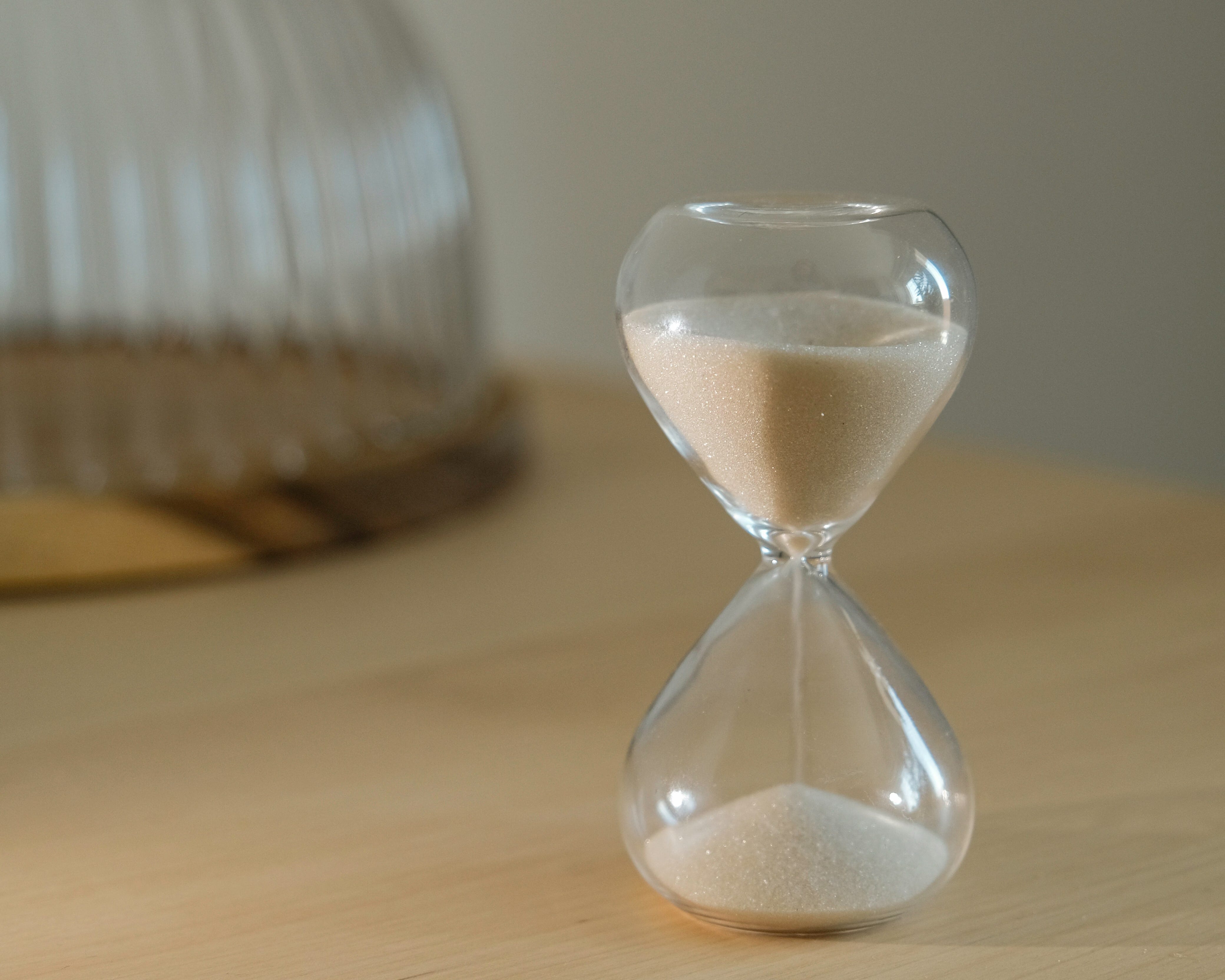
The best way I know to prepare for a time of waiting is to practice it. We can develop a kind of patience by making ourselves wait over and over until we get used to the many feelings and thoughts that come along with it. Mindfulness meditation is one good way to prepare. Mindfulness can feel complicated, but very simply it is the practice of noticing your thoughts and allowing them to go away. This is a method of repeatedly waiting — waiting for the next thought, the next breath, the next moment. Over time, one begins to notice patterns, cycles of anticipation and disappointment, thoughts that are frequently repeated. This kind of waiting practice can even become interesting or — believe it or not — fun. It is very effective at allowing us to get better at waiting.
I find myself in the gray zone right now. I’m controlling what I can, but in so many ways, I’m just waiting to see what happens next. As a Christian, I believe that it is all in God’s hands, but I don’t like it. I want answers. So I meditate, and try to be ready for whatever comes next. I should remember the old adage: be careful what you wish for. I may find that I prefer the gray zone.

Bob, that's a wonderful article!