

Nakedness and nudity are often considered synonyms, but I want to distinguish between the two. Nudity is simple physical exposure. Without a covering we are nude. Nakedness is conceived as being exposed in a different way — psychologically and emotionally. Someone can have all their clothes on and feel naked, or they can be without a stitch on, recognizing their nudity, and not feel naked at all.

The feeling of nakedness occurs when we are covering something that we don’t want to be revealed. Often these things say something about us that we are not proud of, or that we don’t like. The Wizard of Oz is fully clothed but experiences nakedness when his trickery is revealed, and he continues to try to cover it up, saying, “Pay no attention to that man behind the curtain.” The difference is shown in the story of the Garden of Eden, where prior to their disobedience Adam and Eve were unclothed but didn’t feel naked, but later felt naked and ashamed — not of their bodies, but of their actions.
To feel nakedness requires a feeling of shame. When I wander through the locker room after swimming, there is plenty of nudity, but no one feels naked, so far as I can tell. Shame develops from social standards and practices being stretched or broken. As a culture we work hard to keep the sexes in different boxes, with different rules and expectations.
Upon closer examination, the deeper issue may not be nudity itself, but vulnerability — the experience of being seen, known, and potentially judged by others. Physical exposure becomes psychologically significant because it symbolizes a more profound form of exposure: the possibility that others may see who we truly are and find us lacking.
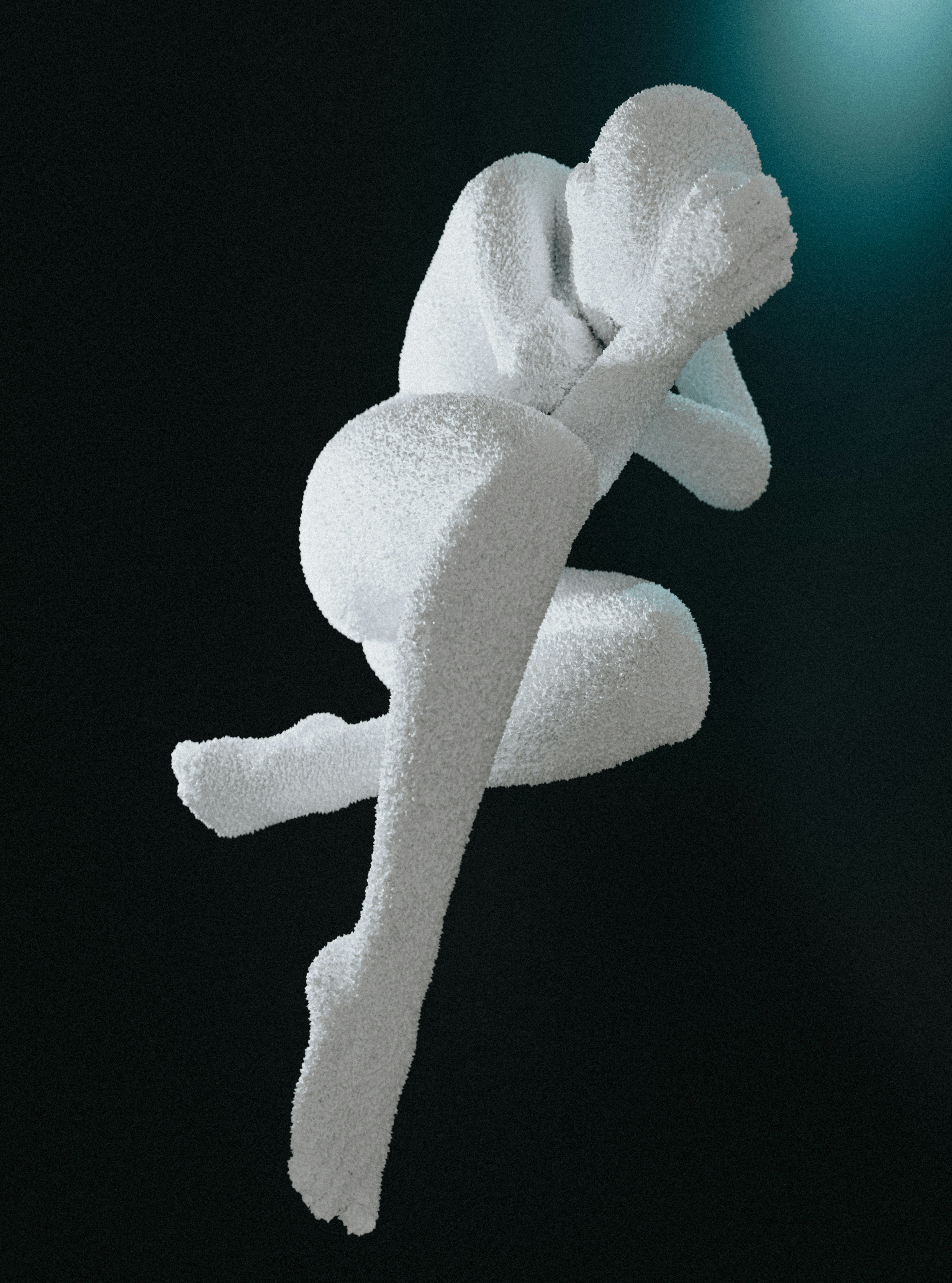
At the heart of shame lies this fear of judgment. The anxiety surrounding nakedness is not merely fear of the body, but fear that one’s choices, character, or identity may be evaluated and condemned. Shame emerges when a person perceives themselves as differing from a cultural or personal expectation. In this sense, shame is relational and social; it depends upon standards that exist within communities, families, or moral systems.
However, not all shame necessarily reflects truth. If a culture imposes arbitrary or unhealthy expectations, a person may experience shame even while acting rightly. In such cases, shame can become misleading. Rather than signaling moral failure, it may simply reveal internalized social pressure. This has often occurred in some religious communities, who were critical of a particular sexual orientation or political view. When a person is genuinely acting in accordance with what is right, the more appropriate response may not be shame at all, but indignation toward false or distorted standards.
Invisibility
For many people, the fear of nakedness pushes them to try to be invisible. Sit in the back row so you won’t be called on, follow the crowd so that you blend in, and never, ever make waves. The difficulty with this strategy is that by not being seen, it is likely that you will not have to experience nakedness, but you also will not be selected — for a project, or a promotion, or even a relationship.
This leads naturally to the question of shame’s opposite. Confidence, innocence, dignity, and acceptance all offer partial contrasts, yet integrity may stand as the truest opposite of shame. Integrity reflects an alignment between the self and moral reality. It is not merely self-acceptance or social approval, but the experience of living consistently with personal values grounded in objective morality.
Human beings deeply desire to be fully known. There exists a longing to be known by another person, by God, and even by oneself. The tension between concealment and openness lies near the center of human existence: people simultaneously fear exposure and hunger for authentic recognition. To be fully known takes courage. We have to make ourselves vulnerable in order to be seen, and therefore subject to the opinions of others. If we don’t take this step, we will be relatively safe, but will not be all that we can be.
