

I’ve watched some television series lately that got me thinking about death. From their beginnings, White Lotus, The Chosen, and Dept Q all had characters that were threatened or directly facing their demise. Of course, this created tension in these shows. In real life, I’ve had a number of friends and acquaintances who have recently died or are going through a serious illness. The reality of death affects everyone differently.
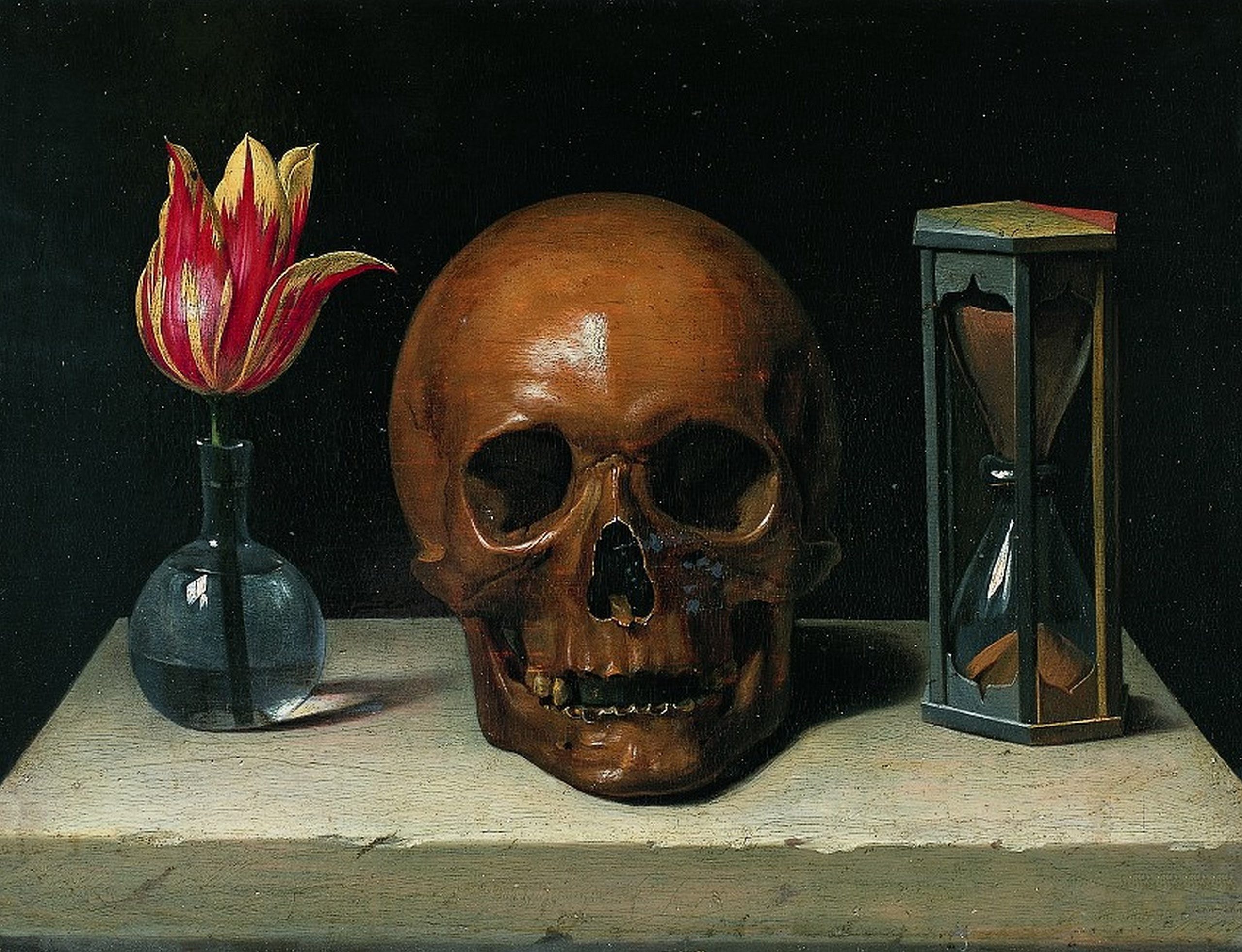
We all have to accept the fact that we will die. This can lead to a motivation to do more with the time we have, or a kind of resignation which leads to a carelessness and lack of concern for this life, the idea that nothing matters.
When I worked at a cancer center, one of the most surprising things that I heard was, “This cancer is the best thing that ever happened to me.” At first it was hard to believe. But as we talked, I learned that the person who was diagnosed with cancer went from shock and anger to a total change in their life. They spent more time with their family. They did things they had always wanted to do. They slowed down, and many of their worries just went away. They said, “I feel like a new person. My diagnosis was a gift.”
I hope that most of us don’t have to have a serious medical issue before we make important changes in our lives. Just remembering that we will die someday is enough. Christians used the idea of memento mori to urge people to make moral decisions instead of moving toward hedonism. On Ash Wednesday, we are reminded, “You are from dust, and to dust you shall return.” For many the opposite of memento mori was nuncest bibendum (“now is the time to drink”). Recognizing that death is inevitable leads us in one of two directions: doing all the good we can (following John Wesley and others) or having as much fun as we can, because we will eventually run out of time.
Doing Good
The knowledge that life is finite and short leads some people to try to make the world a better place. They are passing it on — making life better for the next generation, and creating a legacy of caring. We are all beneficiaries of these efforts, which have given us hospitals, museums, arts institutions, and universities. There are intangible benefits that we receive, too — systems of justice and organization that took great effort to put into place.
Carpe Diem
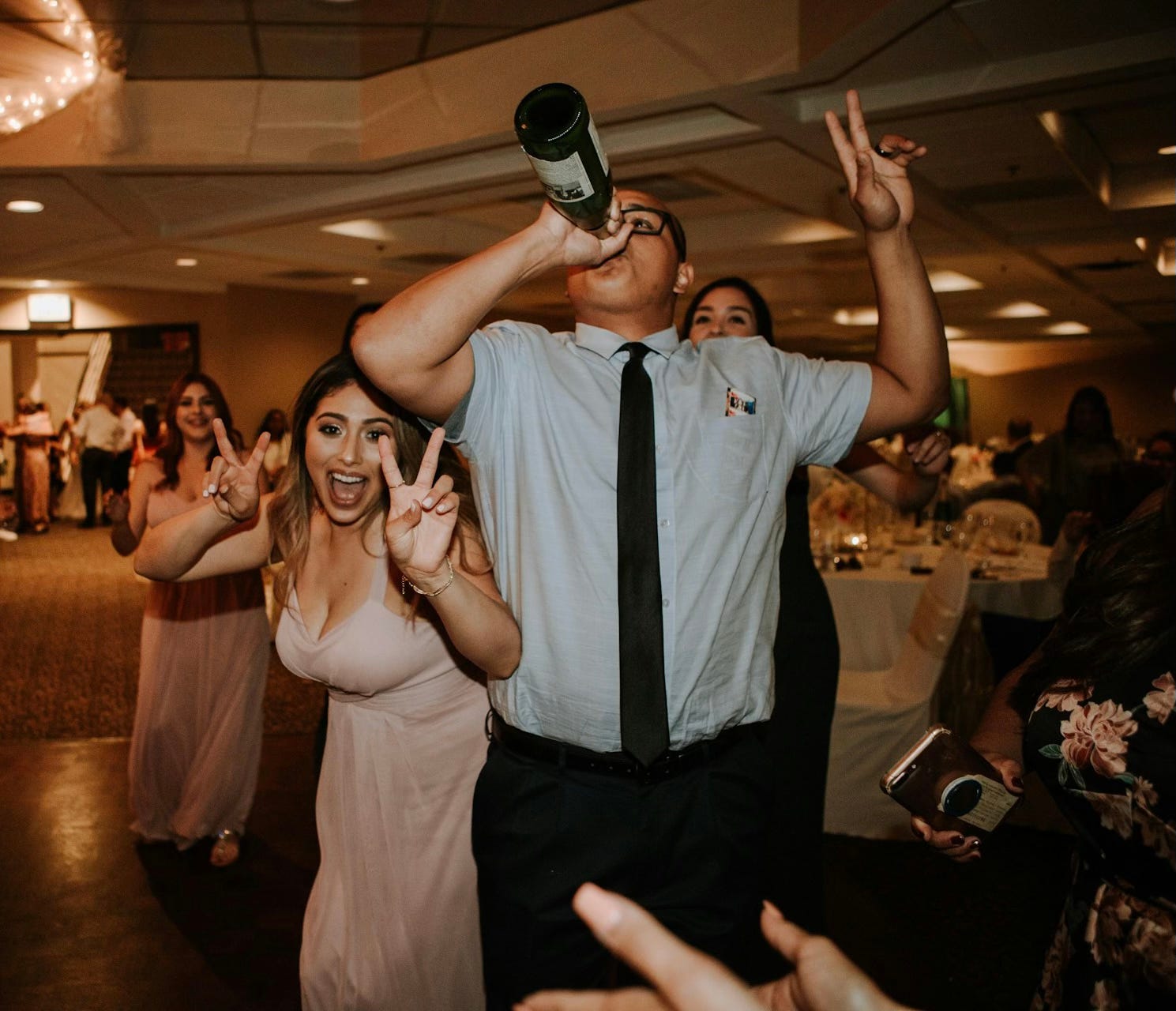
We all know people who value pleasure above all else. If we could get them to take the time to stop and talk about it, they would likely say something like, “Life is short. You have to go for the gusto!” This choice is a personal one, but it can feel superficial, leading to the feeling of “Is this all there is?” And of course, many religious traditions teach that there is much more.
The Afterlife
Christianity gives us a strong emphasis on the salvation of the soul, and eternal life with God. Thinking about death begs the question of what comes next? For a Christian, it is imagined as heaven, and described as a place where “God shall wipe away all tears from their eyes; and there shall be no more death, neither sorrow, nor crying, neither shall there be any more pain: for the former things are passed away” (Rev 21:4).
There are other interpretations of salvation which don’t emphasize an afterlife at all. These Christians think about an authentic faithful existence in this life, with God meeting us in the midst of human history. While these eschatologies don’t explicitly deny the existence of heaven or an afterlife, they focus on bringing the kingdom of God into existence now. Today becomes the beginning of eternal life in God.
The Day of the Dead
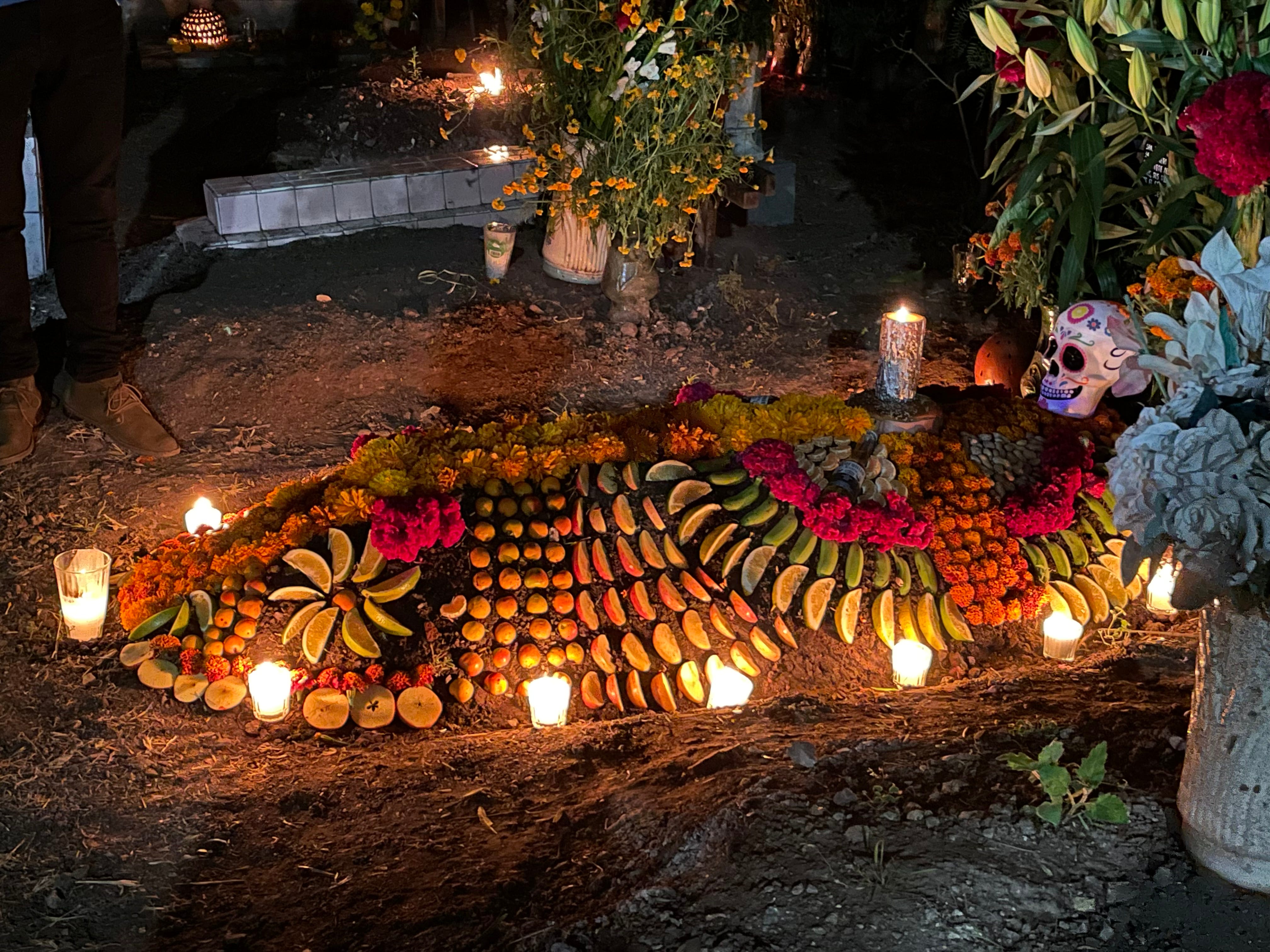
In Mexico, there is a popular tradition that derives from its indigenous roots, called The Day of the Dead. On November 1st of each year, families gather to honor their deceased loved ones. They create altars loaded with food, flowers, photos, and other momentos from the lives of their family members, and at night they travel to local cemeteries to meet other families who are doing the same thing. It is a lively celebration, with music, food, and laughter. In this way stories of loved ones are passed down, and memories stay alive.
This is all too real
I am somewhat reluctant to write about all this right now, because I am experiencing it from a new perspective. One of my finest and closest friends is dying. He received a diagnosis recently that was sudden and shocking, as all such news can be; and the contrast between his active, busy, loving, and full life with the prospect that it will end too soon is staggering. It feels unreal in one sense and otherworldly in another.
I suppose it feels beyond my comprehension because it is — quite literally we will be gone from this physical world, and taken to another realm. Those of us who remain are forced to adjust in whatever ways that we can. It is painful and disorienting to go through such an enormous change.
I think this is one more reason to think about death — it helps us to get used to the idea, to explore the consequences, to test out our thoughts and feelings before they are thrust upon us. If you are anything like me, you will think hard about how you want to live your life, before your time to choose is gone.

Bob, we’re so sorry about your friend. We are keeping you and Lisa and your friends in our thoughts and prayers.
Beautifully written Bob- you are a good friend to him. This has to be one of the most painful experiences of your life.